
Restaurants rely on fresh ingredients, kitchen supplies, and everyday products to keep service running smoothly. When several suppliers, changing prices, and different ordering needs are involved, purchasing can quickly become harder to manage. That is why restaurant procurement matters. A clearer approach helps restaurants understand what they buy, who they buy from, and where supplier arrangements can become simpler, more reliable, and easier to control.
From food procurement and supplier sourcing to everyday restaurant supplies, our hospitality procurement services help make restaurant buying clearer and easier to manage.
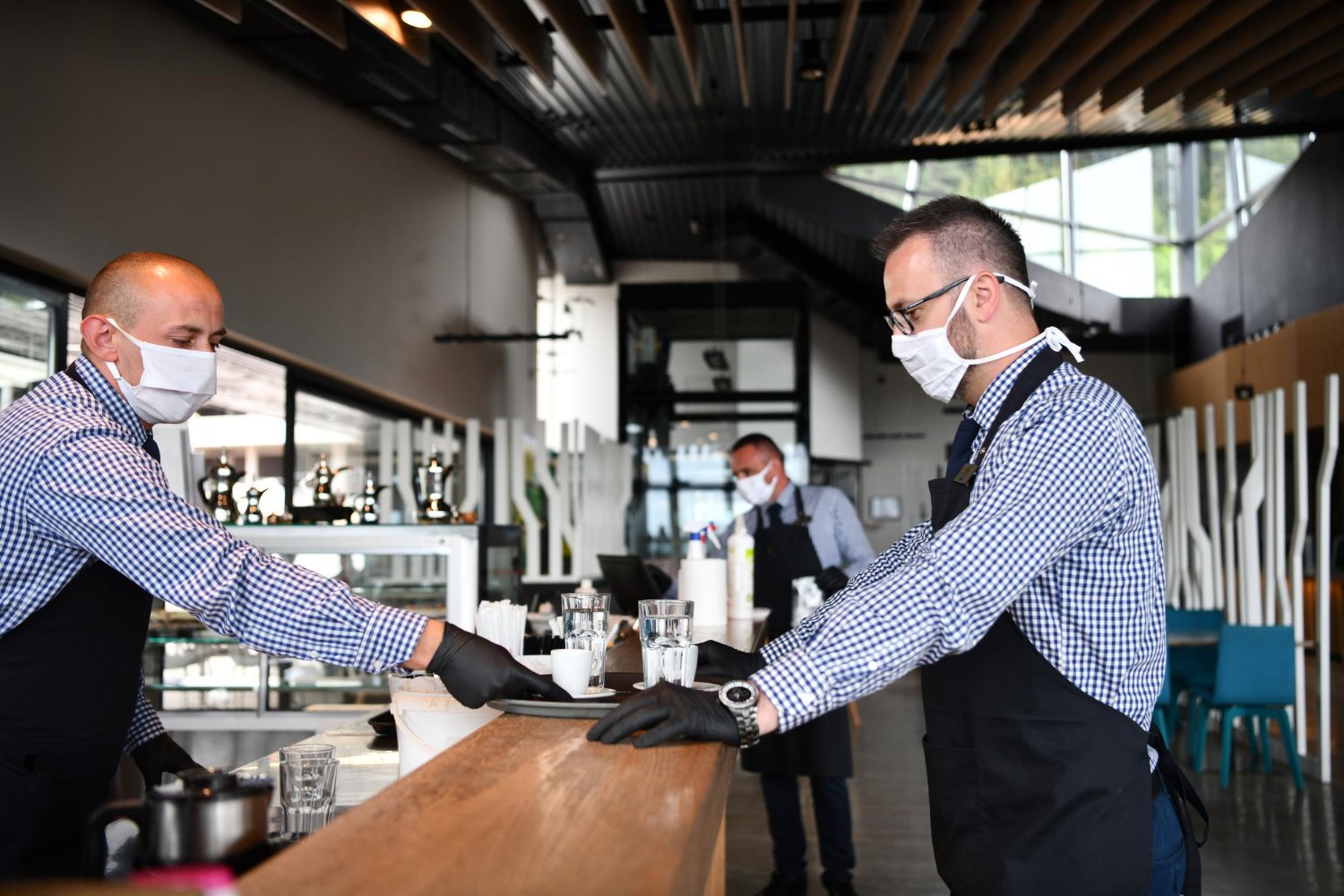
Restaurant buying is not just about placing orders. It affects menu consistency, stock availability, kitchen planning, supplier communication, and everyday costs. For busy teams, organised restaurant procurement can make repeat purchasing easier and reduce last-minute pressure.
A dependable supply base helps kitchens keep important ingredients and operational products available across regular service.
A simple restaurant purchasing process helps teams know what to order, which supplier to use, and when products should arrive.
Our support is designed for independent restaurants, growing groups, multi-site operators, and food-led hospitality businesses.
We focus on clearer food sourcing, supplier performance, pricing, specifications, order volumes, and everyday purchasing needs.
Most restaurants do not just need another supplier name. They need support from people who understand how buying works in busy kitchens and food-service operations.
We look at current restaurant suppliers, buying patterns, key product categories, and areas where purchasing may be creating unnecessary work.
This helps businesses compare restaurant food suppliers UK, catering suppliers, and other supplier options based on quality, reliability, pricing, product fit, and delivery needs.
Our approach helps teams plan better, buy with more confidence, and reduce unnecessary disruption.

Good food service procurement involves more than buying ingredients. Catering operations depend on many products, equipment, consumables, and services to keep kitchens running properly.
Fresh produce, meat, seafood, dairy, bakery products, and other ingredients are used across daily menus. Reliable restaurant food suppliers can help kitchens maintain quality, availability, and consistent specifications while making regular food procurement easier to manage.
Restaurants may need oils, sauces, rice, pasta, spices, canned goods, packaging, and other regular items. Dependable restaurant suppliers make these products easier to compare, order, and manage across everyday service.
Tableware, kitchenware, cleaning products, consumables, storage items, and service essentials also form part of restaurant purchasing. Suitable catering suppliers should support the right products, quantities, delivery schedules, and commercial requirements.
Some restaurants need specialist ingredients, seasonal lines, bespoke products, or menu-specific items. Strong supplier sourcing helps teams find suitable products while keeping quality, availability, specifications, and buying requirements clear.
Restaurant demand changes with menus, bookings, events, seasonal trade, and customer numbers. One service period may need higher food volumes, while another may require different ingredients or operational supplies. Clear restaurant procurement makes these requirements easier to plan and manage.
Key benefits include:
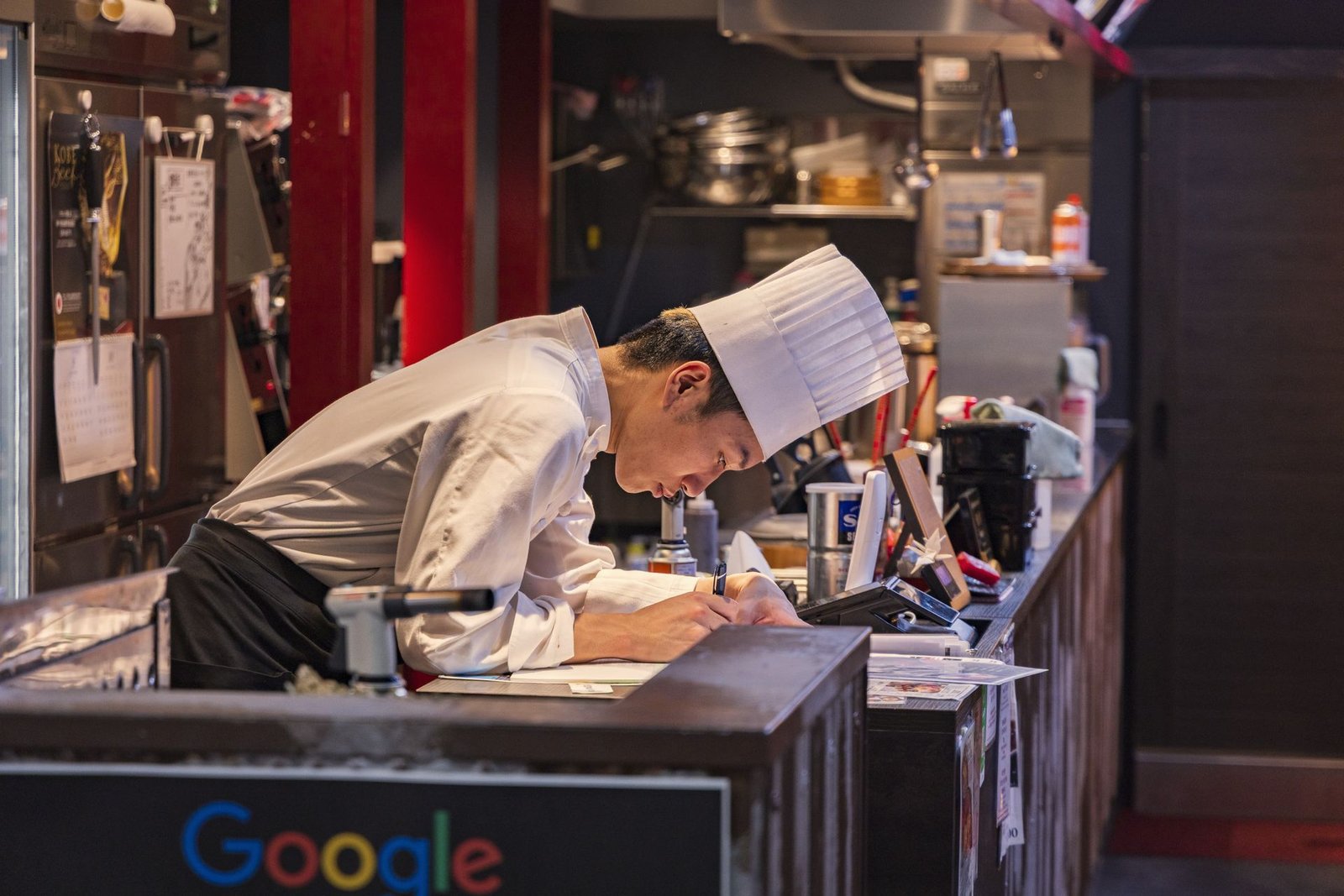
We help restaurants take a more organised approach to purchasing. We review product needs, supplier options, pricing, buying patterns, quality expectations, and areas where better restaurant cost management can be achieved.
Reliable restaurant food suppliers support menu consistency, portion planning, kitchen standards, and repeat ordering. This is especially useful when the same products are used across several dishes, service periods, or locations.
Good restaurant procurement goes beyond finding products. Supplier reliability, pricing, service levels, delivery arrangements, product quality, and purchasing information should work together to support daily operations.
A better procurement process can support daily operations and long-term cost control.
Clear sourcing support for food, kitchen essentials, service products, and everyday supplier management.
A structured approach for businesses that need consistent specifications, approved suppliers, clearer pricing, and better control across several locations.
Reliable food sourcing and supplier planning for restaurants managing larger order volumes, busy service periods.
A smarter purchasing approach for businesses expanding menus, adding locations, reviewing suppliers, and improving long-term buying control.
Many restaurants treat purchasing as a simple repeat-order task. In reality, it affects stock levels, food quality, supplier relationships, kitchen consistency, waste, and overall operating costs.
A more organised restaurant purchasing approach helps teams review suppliers, product categories, pricing, order volumes, stock needs, and the wider restaurant procurement services process together. It also supports better restaurant inventory management and clearer restaurant supply chain management. With our consultancy procurement services, restaurant procurement becomes clearer, more practical, and easier for busy teams to manage.

Review delivery accuracy, product quality, availability, order fulfilment, pricing, communication, and issue resolution.
Compare the same specification, pack size, quantity, usable yield, delivery terms, and total purchasing cost.
Use agreed standards for product quality, size, ingredients, pack format, preparation needs, and approved substitutions.
Useful measures include order accuracy, supplier performance, price variance, product availability, waste, and delivery reliability.
Review suppliers by category and identify where several vendors provide similar products without a clear operational need.
Alternative products should be checked against quality, specifications, allergens, price, availability, and kitchen requirements before approval.
Accurate stock information helps teams plan orders, reduce over-buying, avoid shortages, and match purchasing more closely to demand.
Approved suppliers, shared specifications, standard product lists, and clear ordering procedures can improve consistency between sites.
If restaurant purchasing feels like more effort than it should, we can help. Whether you are dealing with too many suppliers, changing food costs, inconsistent products, unreliable deliveries, or limited visibility over spending, our restaurant procurement support and consultancy procurement services can help create a clearer process that fits your operation.