
Running a catering operation involves many different areas. Food costs, suppliers, stock levels, product quality, ordering, kitchen equipment, and service standards all need careful management.
When these areas are not connected properly, costs can rise and everyday tasks can become harder. A practical catering consultancy approach helps identify where improvements can be made. At ESConnect, we help hospitality and food service businesses improve purchasing, suppliers, stock, and operating costs. Through our procurement services, we can review your current setup and create a clearer process.
From catering procurement and supplier reviews to food sourcing, stock planning, cost analysis, and hospitality procurement support, our service is built around the way your business works.
No two catering operations work in exactly the same way. A restaurant may need better control over ingredient costs. A hotel may need to manage purchasing across several kitchens, events, and dining areas. Effective catering consultancy should therefore start with your actual requirements.
Small purchasing problems can affect the wider business. Poor ordering, unclear product specifications, unreliable suppliers, or excess stock can create more work for kitchen and purchasing teams.
Your team should know what is being ordered, which suppliers are being used, what products cost, and whether service levels are being met. Clear purchasing processes make this information easier to track.
Our support is suitable for restaurants, hotels, catering businesses, event venues, commercial kitchens, and multi-site food service operations.
We focus on suppliers, prices, buying patterns, product specifications, stock levels, and ordering processes. These are the areas that directly affect day-to-day operations.
Many businesses only review procurement when prices rise or supplier problems appear. However, catering consultancy can also identify smaller issues that may increase costs or create unnecessary work. You may be buying similar products from several suppliers. Different locations may also use different specifications, or teams may order more stock than they regularly need. A business may have used the same suppliers for years without checking whether prices, terms, or service levels remain competitive. We help businesses review these areas more clearly. This includes reviewing spend, analysing buying patterns, checking supplier performance, comparing product categories, and identifying where catering procurement could improve. The aim is simple. Your team should have better information and greater control without making purchasing more complicated.

Good food service procurement involves more than buying ingredients. Catering operations depend on many products, equipment, consumables, and services to keep kitchens running properly.
Food is usually one of the largest areas of catering spend. Regular requirements may include fresh produce, meat, seafood, dairy, dry goods, frozen foods, bakery products, cooking oils, sauces, and specialist ingredients. A structured catering procurement process helps businesses compare suppliers, specifications, prices, availability, and ordering volumes. This gives teams better control over everyday food purchasing.
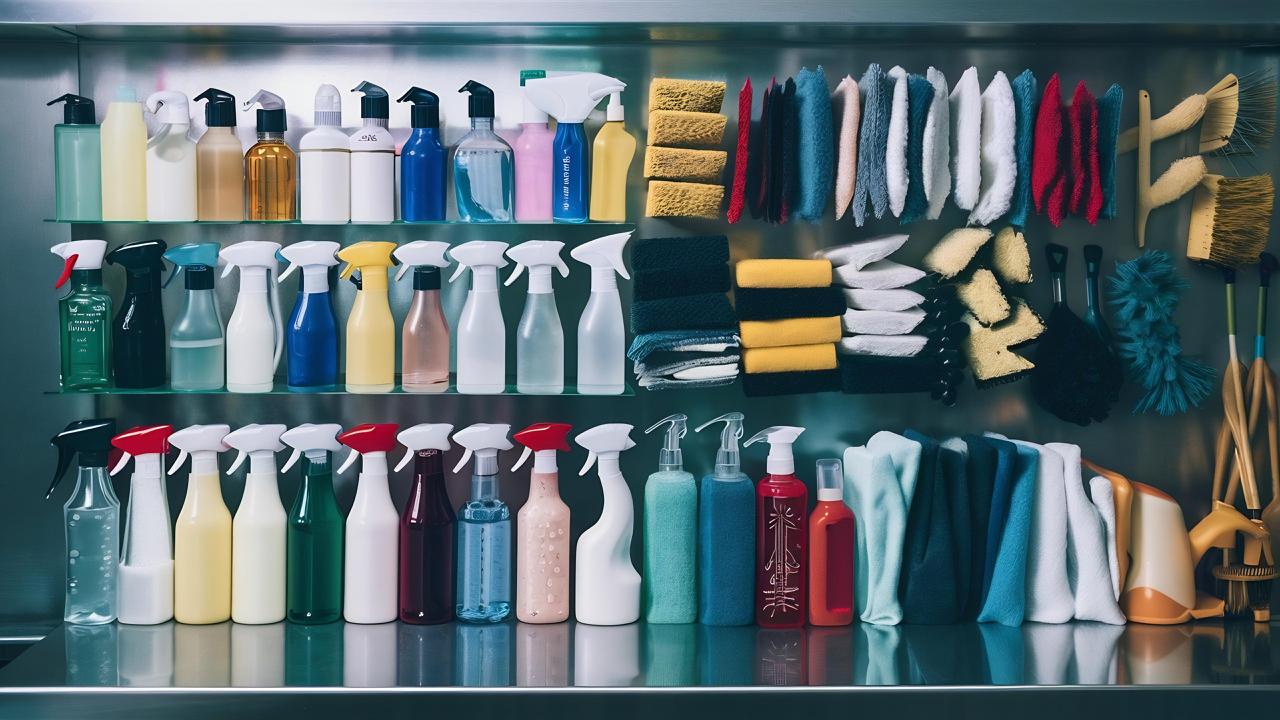
Commercial kitchens also depend on equipment and non-food products. This may include cookware, kitchenware, tableware, storage products, food preparation equipment, packaging, cleaning supplies, and other kitchen essentials. Good purchasing decisions should consider how products are used, how often they need replacing, and whether they provide suitable long-term value.
Some businesses work with external catering contractors or specialist service providers. These relationships need clear expectations. Pricing, responsibilities, service standards, contract terms, and supplier performance should be reviewed regularly.
Ordering too much stock can increase waste and tie up money. Ordering too little can leave kitchens without essential products during busy periods. A reliable catering stock management system can help businesses track stock movement, product use, current quantities, and reorder levels more accurately.
A catering business becomes harder to manage when purchasing is spread across too many suppliers, people, or locations. A clearer catering procurement process helps bring these areas together. One location may buy a product from one supplier, while another uses a different specification and price. Over time, these differences can make purchasing harder to compare and manage. A structured approach gives teams better visibility and makes everyday buying easier.
Key benefits include:
A strong catering consultancy process looks at how these areas connect to the wider operation.

The lowest-priced product is not always the best choice for a catering business. Quality, usable yield, portion size, availability, delivery performance, and service levels also matter. We help businesses review these factors so purchasing decisions work for the kitchen and the wider commercial operation.
Professional Catering Management Services can bring purchasing, stock, suppliers, and operational requirements into a clearer structure. This is useful when several people manage ordering or when a business operates across multiple locations.
Your purchasing data can show how the business operates. It can highlight frequently ordered products, price increases, supplier spend, and similar products being purchased unnecessarily. Using real purchasing information makes catering consultancy more useful because decisions are based on actual activity.
A better procurement process can support daily operations and long-term cost control.
Restaurants need suppliers and purchasing processes that support their menus without creating unnecessary complexity. A catering consultancy review can look at food costs, product specifications, supplier arrangements, ordering habits, and stock levels.
Hotels often have more complex food service requirements. Products may be needed across restaurants, breakfast service, room dining, conferences, weddings, and events. A clear procurement process helps hotel teams manage these requirements more efficiently.
Contract catering companies may operate across several client sites with different menus, volumes, service requirements, and ordering needs. This makes consistency important. Standard product specifications, agreed supplier
A growing catering franchise needs consistency without making individual locations difficult to operate. Agreed suppliers, standard product specifications, central purchasing information, and clear ordering procedures can make growth easier to apply.
Many catering businesses still manage purchasing through separate daily orders. However, every purchasing decision can affect stock levels, food costs, supplier relationships, kitchen efficiency, and product consistency. A good catering consultancy approach looks at the complete process. This includes reviewing what the business buys, who supplies it, how often orders are placed, how prices change, and whether current products still meet operational requirements. Technology can make this easier. A suitable catering management system can provide clearer information about orders, suppliers, stock, spend, and purchasing activity.

Businesses can monitor delivery accuracy, product quality, order fulfilment, pricing consistency, product availability, communication, and how quickly suppliers resolve problems.
Useful KPIs include purchase price variance, delivery performance, food cost percentage, stock turnover, waste levels, order accuracy, contract compliance, and supplier service levels.
Businesses can use approved supplier lists, standard product specifications, agreed pricing, central purchasing procedures, and regular spend reviews.
Review actual spend, supplier prices, ordering volumes, delivery charges, product usage, waste, usable yield, and changes in market prices.
Clear specifications define the required size, weight, quality, pack format, preparation, and other standards.
This makes like-for-like supplier comparisons more accurate.
Supplier arrangements should be reviewed regularly and whenever pricing, service levels, volumes, products, or business requirements change.
They help teams monitor stock quantities, product usage, reorder levels, slow-moving items, and stock movement.
Approved suppliers, standard products, central reporting, purchasing rules, and regular site reviews can improve control across multiple operations.
Managing catering purchasing should not take more time than necessary. If your business is dealing with too many suppliers, changing food costs, inconsistent products, unclear stock levels, or limited visibility over spending, a structured review can help. We review the way your business manages suppliers, purchasing, stock, and food service requirements. Our catering consultancy approach is designed to improve control without adding unnecessary complexity.