
The UK hospitality industry has always been built on service, atmosphere, and human connection. Whether it’s a boutique hotel in Manchester or a busy restaurant in London, success has traditionally depended on how well businesses look after their guests. However, over the last decade, technology has quietly reshaped how the hospitality industry operates. From digital booking systems to smarter procurement platforms, businesses are working more efficiently than ever before. Companies like ESConnect, which support structured purchasing and operational control, have seen how digital systems are helping operators protect margins while maintaining service standards.
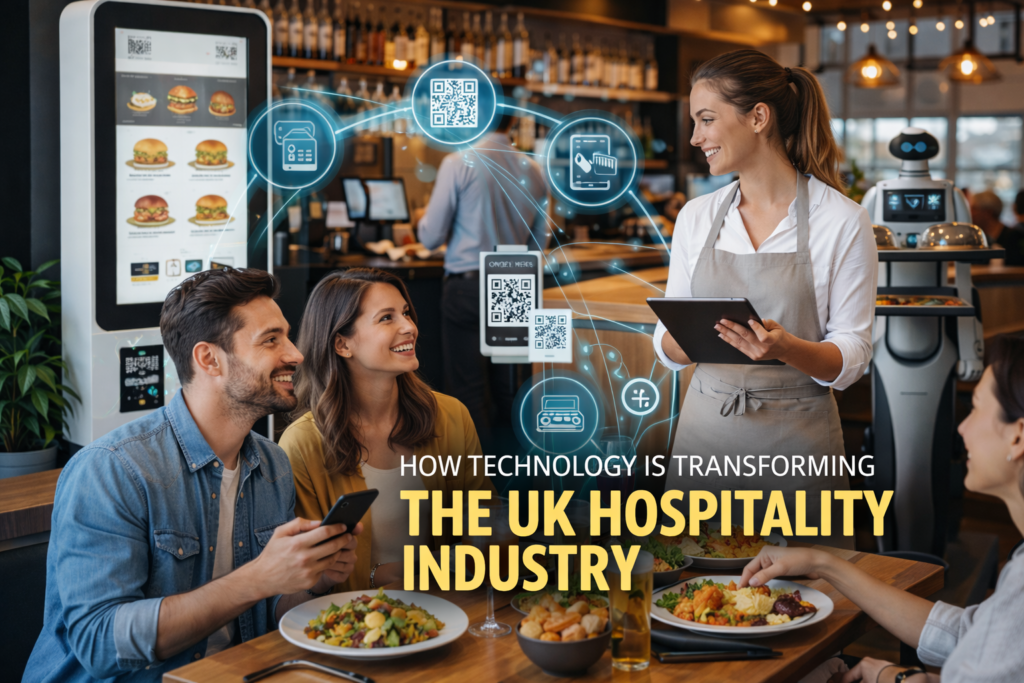
Today, technology is not replacing hospitality. It is strengthening it.
Digital Guest Experiences Are Now Standard
Customer expectations have evolved quickly. Guests now expect instant confirmations, mobile-friendly booking, and smooth payment systems. The hospitality industry has responded by investing in online reservation platforms and contactless check-in systems.
Hotels across the UK now offer digital room keys through mobile apps. Restaurants use QR code menus and table-side ordering to speed up service. Digital payment systems reduce waiting time and increase table turnover.
These tools improve efficiency and satisfaction. When guests feel that service is seamless, they are more likely to return. In a competitive hospitality industry, even small improvements in convenience can influence customer loyalty.
Smarter Operations Behind the Scenes
While customers see front-of-house technology, much of the transformation is happening behind the scenes. Rising labour costs and supply challenges have forced the hospitality industry to become more disciplined.
Inventory management software now tracks stock in real time. Automated scheduling systems help managers plan staffing levels based on demand patterns. Demand forecasting tools allow restaurants and hotels to prepare accurately for busy periods.
This reduces waste, avoids last-minute ordering, and improves cost control. In the hospitality industry, where profit margins can be tight, improved operational visibility makes a meaningful difference.
Automation does not remove people from the process. Instead, it removes repetitive tasks, allowing teams to focus on service quality.
Data Is Driving Better Decisions
Data has become one of the most valuable assets in the hospitality industry. Modern POS systems collect real-time sales information that helps managers understand trends and customer behaviour.
Menu performance can be analysed quickly. Popular dishes can be promoted. Underperforming items can be adjusted or removed. Pricing decisions can be tested based on measurable results.
Customer relationship management systems also allow personalised marketing. Returning guests can receive targeted offers based on previous visits. This strengthens loyalty without increasing marketing costs.
In today’s hospitality industry, evidence-based decisions are replacing guesswork.
Digital Payments and Financial Visibility
Financial systems have also improved significantly. Contactless payments are now expected across the UK. Mobile wallets and integrated billing platforms speed up transactions and reduce friction.
More importantly, digital accounting systems provide real-time financial reporting. Business owners can instantly track revenue, labour costs, and supplier spending.
Clear reporting improves control and allows quicker adjustments when needed. In the modern hospitality industry, financial visibility supports stability and long-term planning.
Procurement and Supply Chain Transformation
Procurement has experienced one of the most significant technological shifts. Rising food prices and supplier inconsistency have forced the hospitality industry to adopt smarter purchasing methods.
Digital procurement platforms allow operators to compare supplier pricing in real time. Performance tracking systems measure reliability and delivery accuracy. Stock management systems connect directly with ordering tools to prevent shortages and overbuying.
This is where structured support becomes valuable. ESConnect helps hospitality businesses implement category management, supplier evaluation processes, and purchasing discipline. Technology strengthens these systems by providing transparency.
Better forecasting reduces waste. Stronger supplier monitoring protects quality. In the evolving hospitality industry, supply chain discipline is no longer optional.
Sustainability Through Technology
Sustainability is now a major focus for the hospitality industry. Guests increasingly expect responsible business practices, and regulators are raising environmental standards.
Energy monitoring systems track electricity and gas consumption. Smart refrigeration alerts staff to temperature issues before stock is damaged. Waste tracking software identifies patterns that can be improved.
These systems reduce costs while supporting environmental responsibility. In the hospitality industry, sustainability and profitability are increasingly intertwined.
Personalisation and Competitive Advantage
Modern customers value tailored experiences. Technology allows the hospitality industry to personalise service without increasing operational pressure.
Booking systems remember preferences. Marketing platforms send targeted promotions. Dynamic pricing adjusts room rates based on demand.
Some hotels now use connected room controls that allow guests to easily customise lighting and temperature. These features create subtle but meaningful improvements in comfort.
Personalisation builds loyalty, which is essential in a competitive hospitality industry.
Challenges of Digital Adoption in the Hospitality Industry
Despite the benefits, digital transformation is not without challenges. Initial investment costs can be high. Staff require training to use systems confidently. Cybersecurity must be managed carefully.
Some traditional businesses may resist change. However, operators that approach implementation strategically tend to see strong returns over time.
The key is selecting systems that align with operational goals rather than adopting technology for its own sake. In the hospitality industry, careful planning produces sustainable results.
Looking Ahead in the Hospitality Industry
The future of the hospitality industry will likely involve even greater integration. Procurement systems, financial reporting tools, and operational software will continue to connect more seamlessly.
Predictive analytics will improve forecasting accuracy. Connected equipment will provide better stock monitoring. Businesses that invest wisely in structured systems will gain a competitive advantage.
Technology will not remove the human element that defines hospitality. Instead, it will support it.
Conclusion
Technology is reshaping how the UK hospitality industry operates at every level. From digital bookings and contactless payments to procurement platforms and sustainability tracking, modern systems are improving efficiency and strengthening control.
Businesses that adopt structured processes gain clearer financial visibility, stronger supplier performance, and better guest satisfaction. With the right support and planning, technology becomes a practical advantage rather than a complication.
In today’s competitive market, long-term success in the hospitality industry depends on combining a strong service culture with smart operational systems.
FAQs
1. Why is technology important in hospitality?
It improves efficiency, reduces waste, and enhances customer experience.
2. How does digital procurement help?
It provides pricing transparency and better supplier performance tracking.
3. Are contactless payments essential in the UK?
Yes, most customers now expect fast and secure digital payments.
4. How does automation reduce waste?
Inventory and forecasting tools prevent over-ordering.
5. What role does data play?
Data helps managers make informed pricing and menu decisions.
6. Is sustainability linked to technology?
Yes, monitoring systems reduce energy use and food waste.
7. Can small businesses benefit?
Absolutely. Even simple systems improve control.
8. Does technology replace staff?
No, it supports staff by removing repetitive tasks.
9. Is cybersecurity a concern?
Yes, businesses must protect customer and payment data.
10. What is the future of hospitality technology?
Greater integration, smarter forecasting, and more personalised service.