
Cost control matters in every UK restaurant, but many owners only notice the problem when profit starts falling. Rent, wages, energy bills and food prices are easy to see. Smaller losses are harder to catch.
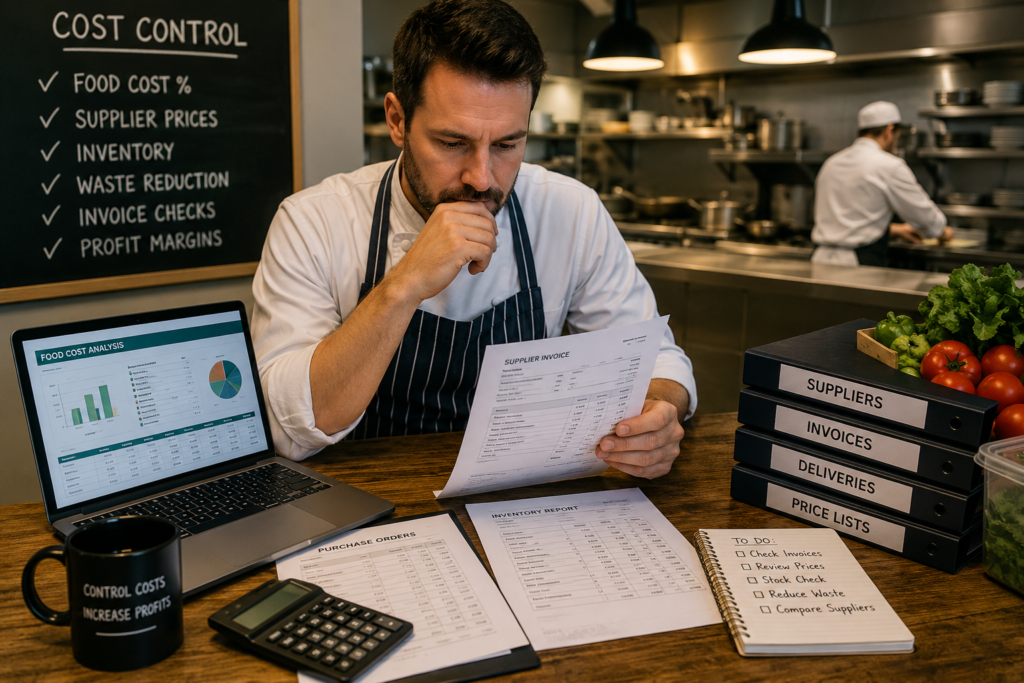
A few extra pounds on supplier invoices can go unnoticed. Too much stock can sit in the fridge. Emergency orders can happen because no one checked what was already there.
These problems may look small at first. Over time, though, they can quietly eat into profit.
Cost control is not about buying the cheapest products. It is about knowing what you buy, what you pay, what you waste and where your money goes.
For many UK restaurants, better buying habits can protect margins without changing the customer experience.
Why Cost Control Matters for UK Restaurants
Restaurant margins are usually tight. Even when tables are full, profit can still fall if spending is not checked.
Food prices can change quickly. Dairy, meat, oil, vegetables, packaging and cleaning supplies may all rise without much warning. One small increase may not feel serious. However, several small increases can push the monthly bill up fast.
This is where cost control helps. It gives restaurant owners a better way to track supplier prices, review orders and find small problems early.
It also helps the team make better decisions. For example, if one product has gone up in price, the restaurant can check another supplier. It can also adjust orders or review how that item is used on the menu.
Cost Control Mistakes That Slowly Hurt Profit
Most restaurants do not lose money because of one big mistake. More often, it happens through small habits that repeat every week.
One common habit is ordering without checking stock first. During a busy shift, staff may guess what needs ordering. Guessing often leads to over-ordering. Fresh items like salad, milk, bread, fruit and vegetables can spoil quickly if the kitchen buys too much.
Another issue is using too many suppliers. At first, having many options may seem helpful. In practice, it can make prices harder to compare. It also means more invoices, more delivery times and more chances for mistakes.
Last-minute ordering can also hurt margins. When restaurants order in a rush, they often pay more. They also lose the chance to compare prices properly. A simple weekly buying plan can make cost control much easier.
Supplier Checks Improve Cost Control
Supplier prices do not always stay the same. Some suppliers update prices often. Others add charges for delivery, minimum orders or urgent requests.
If no one checks these details, the restaurant may keep paying more without noticing. That is why supplier records matter.
Restaurants should know what they agreed to pay. They should also know when prices changed and which items they buy most often.
Good supplier management does not need to be complicated. A simple record of prices, delivery quality, invoice issues and regular products can help owners make better choices.
It also makes supplier conversations easier. If a price changes, the restaurant can ask why. If a delivery keeps arriving late, the owner has a record. These small checks support cost control and reduce daily stress.
Invoice Checks Support Cost Control
Invoices are not exciting, especially after a long day. Still, they are one of the easiest places to lose money.
A supplier may charge the wrong price. A delivery fee may appear without warning. A credit note may be missing. Sometimes the invoice includes items that were returned or never arrived.
If the invoice is paid without checking, the mistake becomes a real cost.
Restaurants should match invoices with delivery notes and agreed prices. This does not need to take hours. A short weekly review can stop small mistakes from becoming bigger losses.
For better cost control, the person checking invoices should look at product prices, quantities, delivery fees, missing credits and duplicate charges.
Food Waste Is a Cost Control Problem
When people talk about food waste, they often think about leftovers from plates. In many restaurants, waste starts much earlier.
It can begin when the kitchen orders too much. It can also happen when stock is not checked. Poor planning for busy and quiet days can make the problem worse.
For example, a restaurant may order the same amount of fresh produce every week. If bookings are lower, some of that stock may not be used. By the time the team notices, it may already be too late.
Better stock checks help prevent this. Staff should know what is already in storage before placing an order. They should also think about bookings, weather, events, menu demand and past sales.
Food waste reduction is one of the simplest ways to improve cost control because it protects money that has already been spent.
Menu Costing and Cost Control Work Together
Menu costing is more than writing down a recipe. It should show the real price of ingredients.
If cheese, oil, meat, seafood or vegetables become more expensive, the profit on each dish changes. A meal that looked profitable last month may not be as strong today.
This does not always mean the restaurant must raise prices straight away. First, owners can review portion sizes, supplier options, waste levels and buying habits.
Some dishes may need a small change. Others may need a price review. In some cases, a better supplier deal can protect the margin without changing the menu.
Regular menu checks help restaurants stay in control. They also make cost control part of normal business, not something owners only think about when profit drops.
How to Improve Cost Control Without Cutting Quality
Restaurants do not need to reduce quality to protect profit. Poor quality can damage customer trust. The better option is to buy with more care.
Start with high-use items. These are the products bought every week, such as dairy, meat, fruit, vegetables, dry goods, packaging and cleaning supplies. Small savings on these items can make a real difference because they are ordered so often.
Next, set clear buying rules. Staff should know who can place orders, when orders should be placed and how deliveries should be checked. This avoids confusion and stops rushed decisions.
Restaurants should also review supplier prices each month. Waiting too long makes it harder to spot where costs changed.
Some businesses may use hospitality purchasing software or restaurant procurement software to manage orders, suppliers and invoices. These tools can help. However, they work best when the buying process is already clear.
How ESConnect Supports Restaurant Cost Control
ESConnect helps UK hospitality businesses review supplier spending and improve the way they buy. For restaurants, this means better control over everyday supplies, supplier prices, invoices and product categories.
Instead of guessing where money is going, ESConnect helps restaurants look at the details. This may include supplier price reviews, product comparisons, invoice checks and support with regular buying decisions.
ESConnect also works across important hospitality supply areas. These include dairy suppliers, fruit and veg wholesalers, cleaning and consumables suppliers, Italian food suppliers, kitchenware, glassware and tableware.
These are not small areas. They affect daily service, kitchen planning and monthly profit. When restaurants manage them properly, cost control becomes much easier.
Cost Control Is Becoming More Important
Across the UK hospitality sector, restaurants are paying more attention to supplier choice, food costs, waste and buying systems. Trade shows and supplier events also show that operators want better ways to manage daily spending.
Still, the real work happens inside the restaurant. It starts with checking stock, reviewing invoices, watching supplier prices and planning orders before they become urgent.
Small changes can make a big difference. A restaurant does not need to fix everything in one day. It can start with one supplier category, one invoice review or one weekly stock check.
Conclusion
Restaurant profit does not only come from more sales. It also comes from better buying.
Cost control helps owners understand what they spend, where money is wasted and which supplier habits need attention. It can reduce waste, catch invoice errors, improve supplier management and protect profit without lowering food quality.
For UK restaurants, the best starting point is simple. Check stock before ordering. Review supplier prices. Look closely at invoices. Track the items bought most often.
With the right support from ESConnect, restaurants can build better buying habits and protect their margins with more confidence.
FAQs
What is cost control in a restaurant?
‘Cost control’ means watching and managing how much the restaurant spends. It includes food costs, supplier costs, stock, waste, bills and daily supplies. The goal is to protect profit without lowering food quality.
Why is cost control important for UK restaurants?
UK restaurants face rising food prices, wages, energy bills and supplier charges. Without Cost Control, profit can drop even when sales look strong.
How can restaurants reduce supplier costs?
Restaurants can reduce supplier costs by checking prices, comparing high-use items, reviewing invoices, avoiding emergency orders and speaking with suppliers about better terms.
What are the biggest buying mistakes restaurants make?
Common mistakes include ordering without checking stock, using too many suppliers, ignoring small price rises, missing invoice errors and placing last-minute orders.
How does food waste affect profit?
Food waste reduces profit because the restaurant pays for stock that never earns money. Better ordering, storage and stock checks can help reduce waste.
How often should supplier prices be checked?
Restaurants should check key supplier prices at least once a month. High-use items should be reviewed more often because small price changes add up quickly.
What is menu costing?
Menu costing means working out the real cost of each dish. It includes ingredients, portions, waste and selling price. It helps owners understand profit per dish.
Can restaurant procurement software help?
Yes, restaurant procurement software can help manage orders, approvals, suppliers and invoices. However, it works best when the restaurant already has clear buying rules.
What should restaurants check on invoices?
Restaurants should check product prices, quantities, delivery fees, credit notes, returned items and duplicate charges. These checks help stop hidden losses.
How can ESConnect help restaurants?
ESConnect helps restaurants review supplier spending, compare costs, improve buying habits and reduce avoidable waste across key hospitality supply categories.
Follow ESConnect on “Facebook“, “Instagram“, and “LinkedIn” for more UK hospitality tips, supplier insights, cost-saving ideas, and smarter ways to manage your daily business supplies.